T-Shirt Printing in Nepal: Screen, DTF, Sublimation Compared
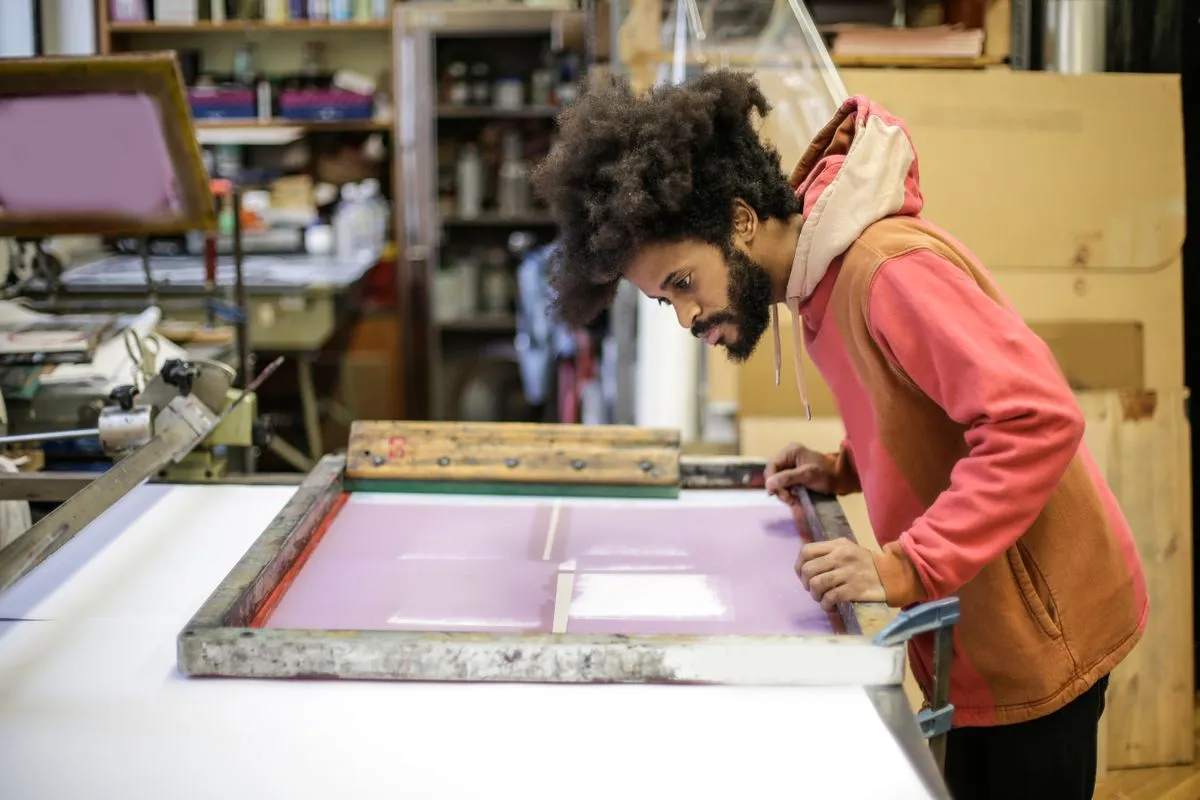
Quick answer: For 50 or more identical T-shirts with one to three flat colours, choose screen printing. For small runs or full-colour and photo designs on cotton, choose DTF. For polyester jerseys and light-coloured sportswear with all-over colour, choose sublimation. Use plain heat transfer vinyl for one or a few shirts with simple lettering or numbers.
"T-shirt printing" appears three ways in the Nepal Google Trends top queries (t shirt printing 24, tshirt printing 16, t-shirt printing 13) and "jersey printing near me" is a rising query. People want a fast answer to one question: which method should I use? This table and the sections below give it.
The four methods in one table
| Method | Best for | Colours | Fabric | Typical quantity | Feel |
|---|---|---|---|---|---|
| Screen printing | Uniforms, event shirts, team shirts | 1 to 4 flat colours is cheapest | Cotton and blends | 50 and up | Ink layer on the fabric |
| DTF (direct to film) | Full-colour logos and photos | Unlimited | Cotton, polyester, blends | 1 to a few hundred | Soft film layer |
| Sublimation | Sports jerseys, all-over prints | Unlimited | Polyester and polymer-coated, light colours | 1 to a few hundred | No feel; dye is in the fibre |
| Heat transfer vinyl | Names and numbers, simple shapes | Single colour per layer | Cotton, polyester | 1 to dozens | Plastic-like layer |
Choose by situation
Staff uniforms, 100 shirts, one-colour logo
Screen printing. One screen, repeated across the run, gives the lowest cost per shirt. See screen printing in Nepal.
Event or marathon shirts, full-colour design, 30 pieces
DTF. No screens for each colour and no minimum tied to setup. See DTF printing explained.
Football or cricket jerseys with all-over patterns
Sublimation on polyester. The dye bonds into the fabric, so the print does not crack or peel, and names and numbers can be added per player.
Personalised names or numbers on a few shirts
Heat transfer vinyl. It is simple, quick and works one piece at a time.
Fabric and colour rules
- Cotton and blends: screen printing and DTF work; sublimation does not bond to cotton.
- 100% polyester: sublimation gives the best result on light colours; screen printing needs a suitable ink.
- Dark shirts: screen printing and DTF need a white base layer; sublimation does not work on dark fabrics.
- Stretch fabrics: ask for a stretch-compatible ink or transfer.
Questions to ask before you order
- Which method will you use and why?
- Can I see a printed sample on the same fabric?
- How many wash cycles is the print rated for?
- What is the price at two quantities?
- Is the shirt supplied or must I provide it?
- How long will production take, and what is the delivery date?
Preparing the artwork
Supply the logo as a vector file (AI, EPS or PDF) or a high-resolution PNG. Provide the print size in centimetres, the position (chest, back, sleeve) and the shirt colour. Give Pantone references for brand colours. See artwork file prep.
A decision guide by quantity and design
| Situation | Quantity | Colours | Best method |
|---|---|---|---|
| Staff uniform, logo on the chest | 100 | 1 | Screen printing |
| Event T-shirts, full-colour design | 30 | Full colour | DTF |
| Football jerseys, all-over | 20 | Full colour | Sublimation on polyester |
| Names and numbers | 15 | 1 | Heat transfer vinyl |
| Team shirts, photos | 5 | Full colour | DTF |
| Large school order, simple logo | 500 | 2 | Screen printing |
Garment choice
The shirt matters as much as the print.
- Cotton: soft and common; works with screen and DTF.
- Blends: cotton and polyester; works with screen and DTF, but sublimation is weaker.
- 100% polyester: needed for sublimation; screen ink must be suitable.
- Quick-dry sportswear: sublimation or DTF, with care on heat.
- Dark colours: need a white base for screen and DTF.
Ask for a sample on the exact garment before the run, and check sizing, fabric weight (GSM) and colour fastness.
Print placement and size
- Chest left: logo, about 8 to 10 cm wide.
- Centre chest: about 25 to 30 cm wide.
- Back: larger print or name.
- Sleeve: small logo or number.
Send a mockup with sizes in centimetres.
Washing and care
Follow the care instructions the printer gives. A common rule is to wash inside out in cold water, avoid bleach, and avoid ironing directly on the print. Ask for the printer's wash guidance and keep it with the shirts.
Quality checks on delivery
- Print position and size match the mockup
- Colours match the approved sample
- No cracking, peeling or pinholes
- Edges sharp
- Sizes and quantities correct
- Packed to avoid creases
Cost factors
Price depends on quantity, number of colours, print size, garment cost, method, placement and finishing, such as folding and packing. Ask for the price per shirt at two quantities, and whether the shirt is included.
Frequently asked questions
Which is cheapest, screen or DTF?
Screen printing is usually cheaper for large runs of simple designs. DTF is usually cheaper for small runs and full-colour designs because there is no screen setup.
Does DTF crack when washed?
A properly applied DTF transfer is designed to be wash-durable. Quality varies by film, powder and heat settings, so ask for a wash test.
Can sublimation print on cotton?
No. Sublimation dye bonds with polyester or polymer coating. On cotton it fades.
Can I get one custom T-shirt?
DTF and heat transfer suit single pieces. Screen printing does not, because the setup cost is spread over a run.
Does Thankyooou print T-shirts?
Thankyooou's confirmed services are commercial printing, packaging, product labels, branded products and corporate gifting. To ask whether apparel printing is available for your project, send your brief; availability is confirmed for each project.
Related guides
Sources
- Google Trends, Nepal, "printing", exported 11 November 2026 — t shirt printing queries and "jersey printing near me" as a rising query.
- Screen printing — Britannica — stencil process.